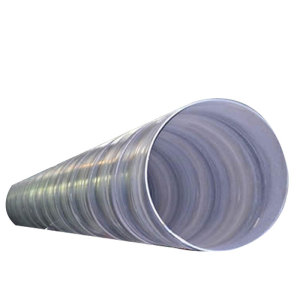
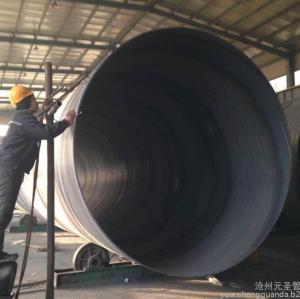
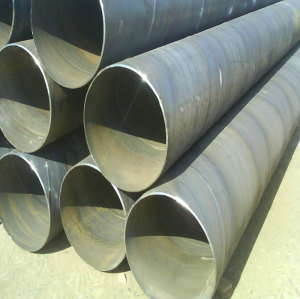
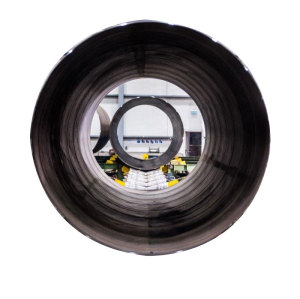
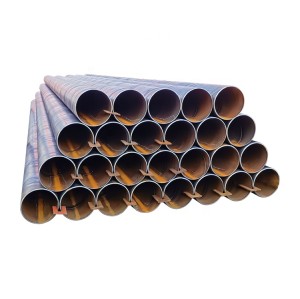
Custom Wholesale GB9711 Spiral Weld Steel Pipe Supplier
- Model
- GB/T9711 SSAW Pipe-01
Item specifics
- TRADE TERM
- FOB CFR CIF
- Special Use
- Medium and high pressure long-distance pipeline
- Specification Level
- PSL1 PSL2
- Name
- gb9711 SSAW Pipe
- Standard
- GB/T9711-2023
- Making Technique
- SSAW
- Oiled or Non-oiled
- Non-oiled
- Add Processing Service
- Welding, Punching, Cutting, Bending, etc
- Length
- 6m, 12m, 18m, 30m, or customized
- Certificate
- API 5L, CE, JIS, ISO 9001,BV,CNAS,etc.
- Outer Diameter
- 219-3620mm(8.62 in-141.73 in)
- Ends
- Plain End, Beveled End, Grooved End
- Material
- L210 L245(M) L290(M) L320(M) L360(M) L390(M) L415(M) L450(M) L485(M)L555(M),etc
Review
Description
Custom GB9711 Spiral Weld Steel Pipe for Oil, Gas, Water & Infrastructure Projects
Factory-direct SSAW pipes | Custom sizes | Wholesale pricing | Shipping worldwide
GB9711 Spiral Weld Steel Pipe is a medium to high pressure long-distance fluid pipeline pipe. GB9711 is China's national standard for pipeline pipes, GB 9711-2023 SSAW steel pipes for oil, gas, and water transmission. Diameters 219–3620mm, wall thickness 6–25.4mm, grades L245–L555 (X80). Yield strength up to 555MPa, impact energy 27J minimum. PSL1 and PSL2 available. Factory-direct pricing, reliable quality, CNAS certified testing center, fast delivery worldwide.
Why Choose Our GB9711 SSAW Steel Pipes
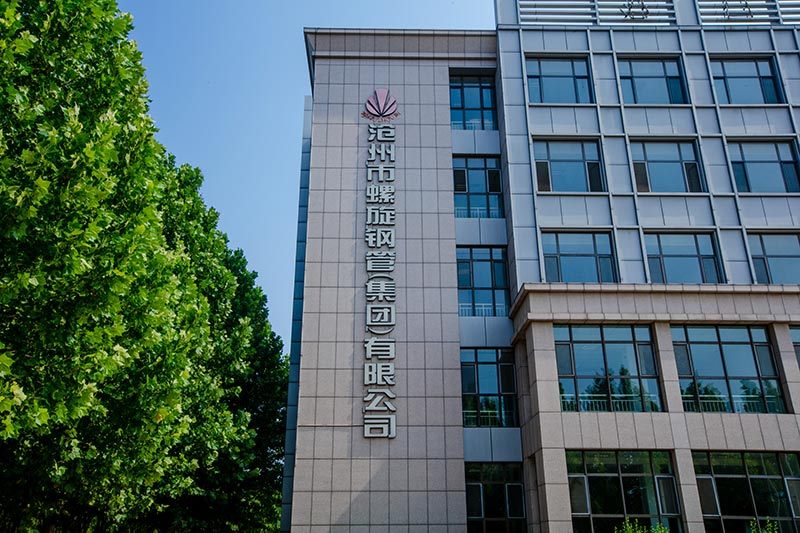
1. The Real Chinese Manufacturer Of Gb9711 Spiral Submerged Arc Welded Pipes
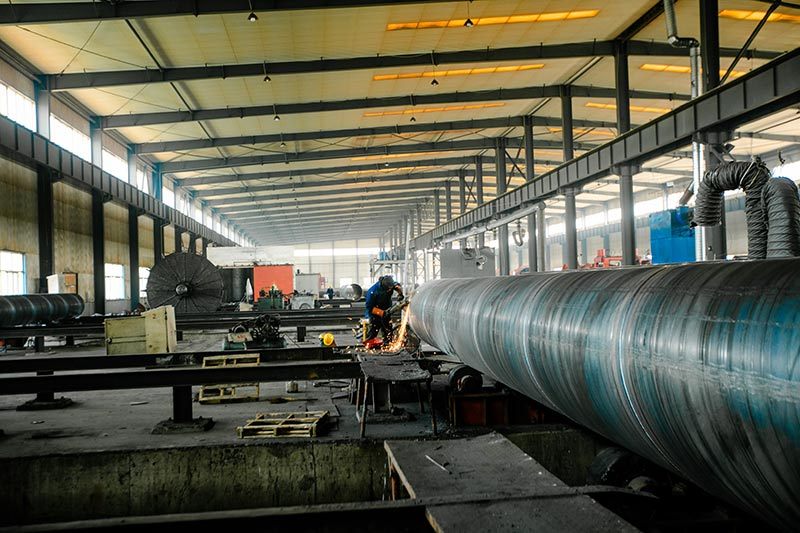
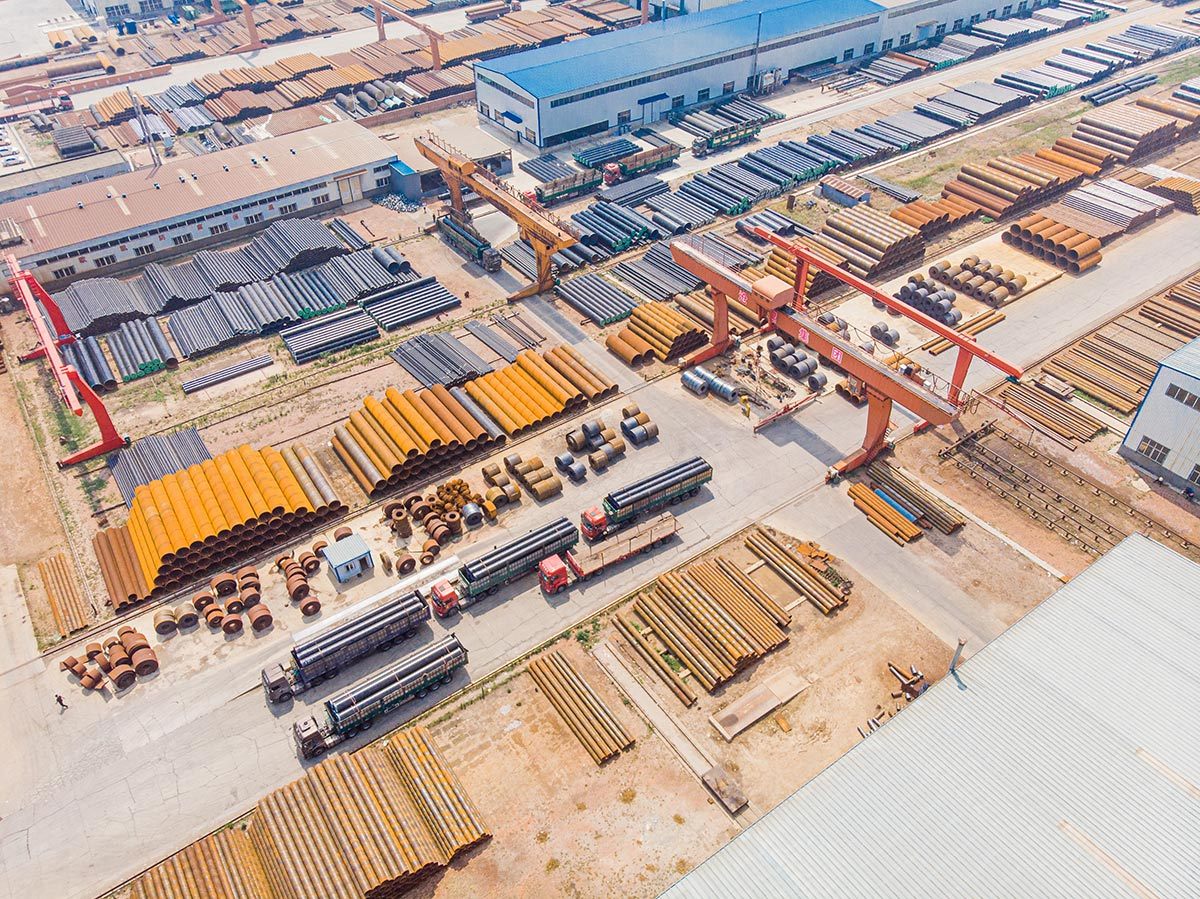
We control production from raw material inspection all the way to final testing. That means consistent quality, stable supply, and pricing that makes sense for bulk orders. 13 production lines · 400,000 tons/year · One factory, coil to finished pipe, resulting in better product quality and faster service.
2. Flexible Customization Of GB 9711 Pipes For You
We customize to your project spec. We manufacture these pipes to the GB 9711 standard, and you can customize:
Outer diameter
Wall thickness
Pipe length
Steel grade
Surface treatment
Pipe ends
Marking and packing
3. Full Qualifications You Can Verify
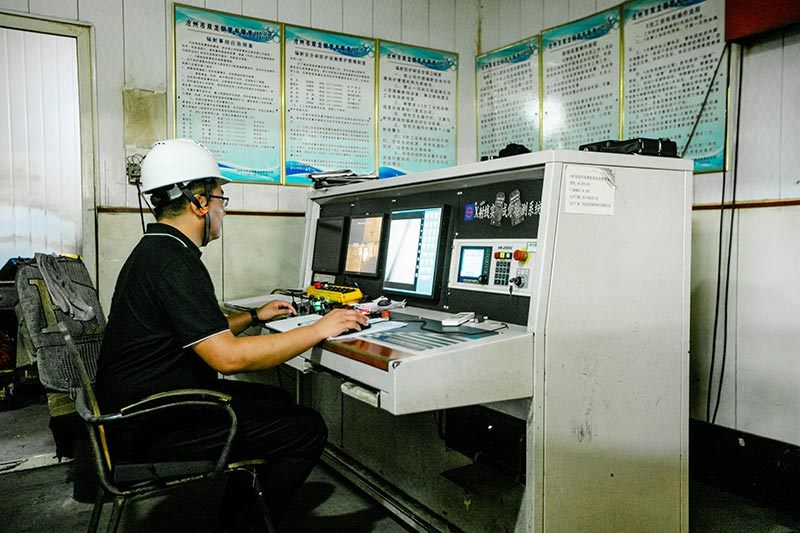
Wuzhou brand GB9711 pipe has a complete range of qualifications, including business license, special equipment manufacturing license, ISO 9001, ISO 14001, ISO 45001, API 5L certification, as well as NDT personnel holding TSG Z8001 equivalent qualifications, welder qualifications, repair welding qualifications, and samples. We give you full confidence in quality and qualifications, as well as technical support.
4. Strict Control Of Raw Materials
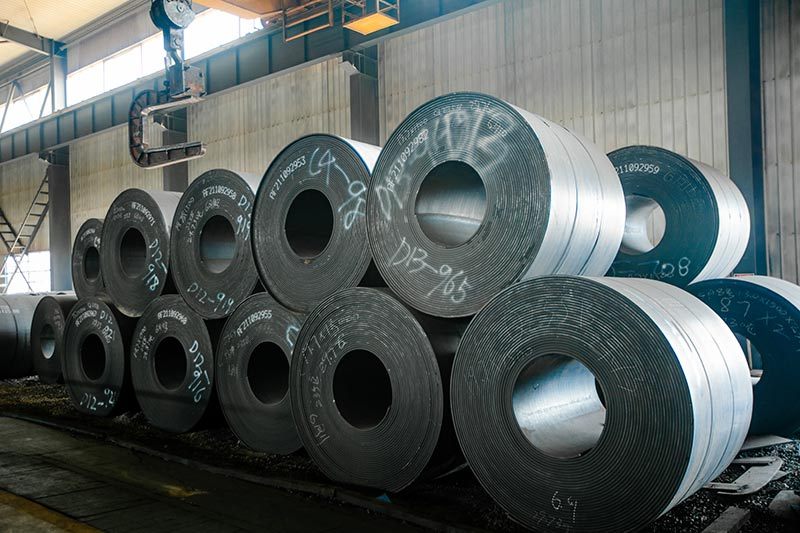
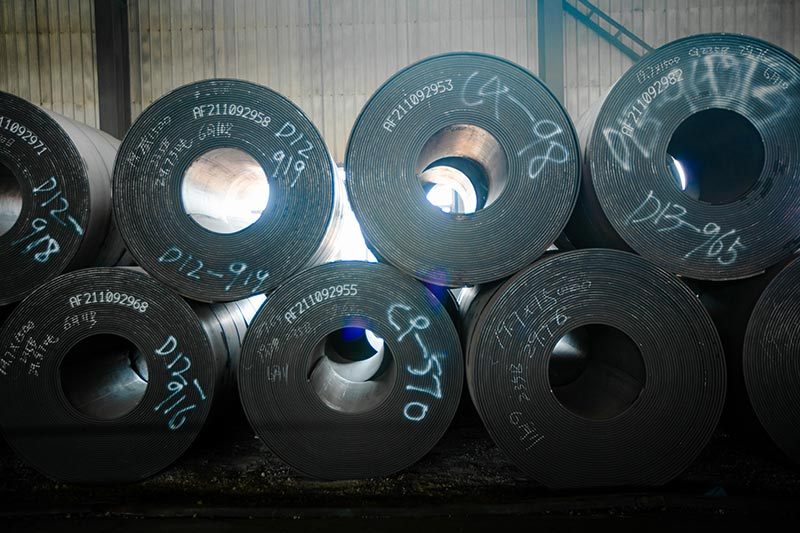
The raw materials for manufacturing the pipes are all from qualified suppliers listed in the supplier list, eliminating the possibility of poor quality from the source. Each batch of steel coil raw materials comes with MTC, which can trace the furnace batch number. After the raw materials enter the factory, they need to be re inspected, and the chemical composition and mechanical properties can be found in the re inspection records to ensure 100% qualification. Moisture proof, rust proof, clear identification, complete traceability chain from steel coil to finished pipe.
5. Fine Production Process Control
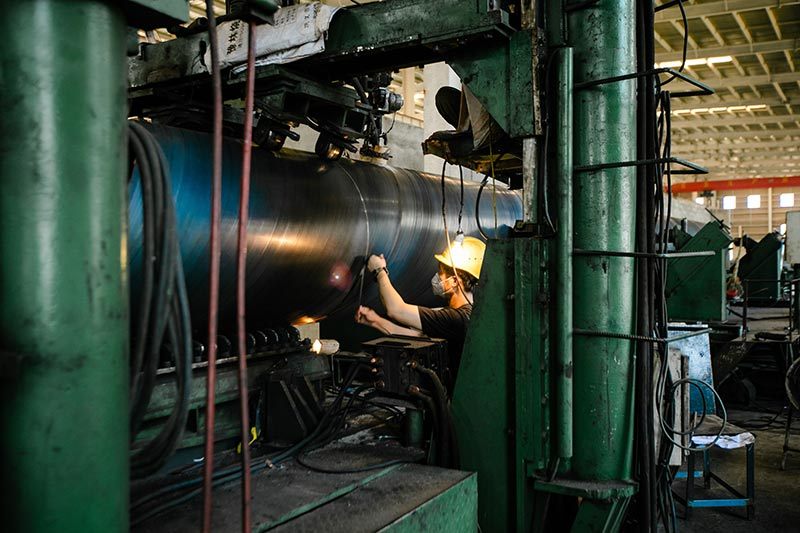
The forming angle and forming parameters of the pipe are clearly recorded, and welding is carried out in accordance with the requirements of GB 9711-2023. WPS covers the actual production steel grade and wall thickness, and the welding material grade, drying, and requisition records are strictly used in accordance with the requirements of GB 9711 standard. Real time monitoring and recording of internal and external welding are carried out, and the automatic welding seam tracking system is running normally. The pipe end groove angle and blunt edge meet the standards. Intermittent positioning welding should not be used for spiral submerged arc welded pipe groove, and repair welding is not allowed after cold expansion. Each pipe can be traced.

Chemical Composition — PSL1 vs PSL2 (Wall ≤25mm)
| Grade | API 5L | Level | C max (%) | P max (%) | S max (%) |
L245 | B | PSL1 | 0.26 | 0.030 | 0.030 |
| L245M | BM | PSL2 | 0.22 | 0.025 | 0.015 |
L290 | X42 | PSL1 | 0.28 | 0.030 | 0.030 |
L290M | X42M | PSL2 | 0.22 | 0.025 | 0.015 |
L320 | X46 | PSL1 | 0.30 | 0.030 | 0.030 |
L320M | X46M | PSL2 | 0.22 | 0.025 | 0.015 |
L360 | X52 | PSL1 | 0.28 | 0.030 | 0.030 |
| L360M | X52M | PSL2 | 0.22 | 0.025 | 0.015 |
L415 | X60 | PSL1 | 0.26 | 0.030 | 0.030 |
| L415M | X60M | PSL2 | 0.12 | 0.025 | 0.015 |
L450 | X65 | PSL1 | 0.26 | 0.030 | 0.030 |
L450M | X65M | PSL2 | 0.12 | 0.025 | 0.015 |
L485M | X70M | PSL2 | 0.12 | 0.025 | 0.015 |
L555M | X80M | PSL2 | 0.12 | 0.025 | 0.015 |
PSL1 limits apply for wall thickness ≤25mm. L485 (X70) is not listed under PSL1 in GB 9711-2023; X70 is a PSL2 grade. L555M/X80M is PSL2 only — there is no PSL1 version of X80 in the standard. From X60 up (L415M and above), carbon drops to 0.12%. Sour service (H₂S): P and S limits drop further to ≤0.015% each. Confirm against your project spec. | |||||
Hardness Limits (PSL2 — Mandatory)
| Grade | Max Hardness (HV10) |
| ≤ X65 | 265 |
| X70 | 275 |
| X80 | 285 |
Tested on pipe body, weld, and HAZ. One test per test unit | |
Charpy Impact Requirements (PSL2)
For pipe body, transverse direction:
| Condition | Minimum Absorbed Energy |
| OD ≤762mm, ≤X70 | 27 J |
| OD ≤762mm, X80 | 40 J |
| Weld & HAZ (D<1422mm, ≤X80) | 27 J |
Single values must not fall below 75% of the specified minimum average. Test temperature is 0°C unless otherwise agreed. | |
How to Choose the Right Grade
Suffix guide: M = thermo-mechanical rolled. N = normalized. Q = quenched + tempered. For long-distance export lines, M grades are the usual pick.
For chemical composition limits, see the table above.
| Grade (GB/T 9711) | API 5L | Level | Typical Application |
| L245 / L245M | B / BM | PSL1 / PSL2 | Water transmission, general pipeline |
| L290 / L290M | X42 / X42M | PSL1 / PSL2 | Water, general oil and gas |
| L360 / L360M | X52 / X52M | PSL1 / PSL2 | General oil and gas pipeline |
L415 / L415M | X60 / X60M | PSL1 / PSL2 | Oil and gas pipeline |
L450 / L450M | X65 / X65M | PSL1 / PSL2 | Long-distance oil and gas |
L485 / L485M | X70 / X70M | PSL1 / PSL2 | Long-distance, high-pressure |
L555M | X80M | PSL2 | High-strength transmission |
Quality Control: What the Standard Demands
Last updated: 2026-10-11 · Technical content based on GB 9711-2023 (effective 2024-03-01) Quality Control
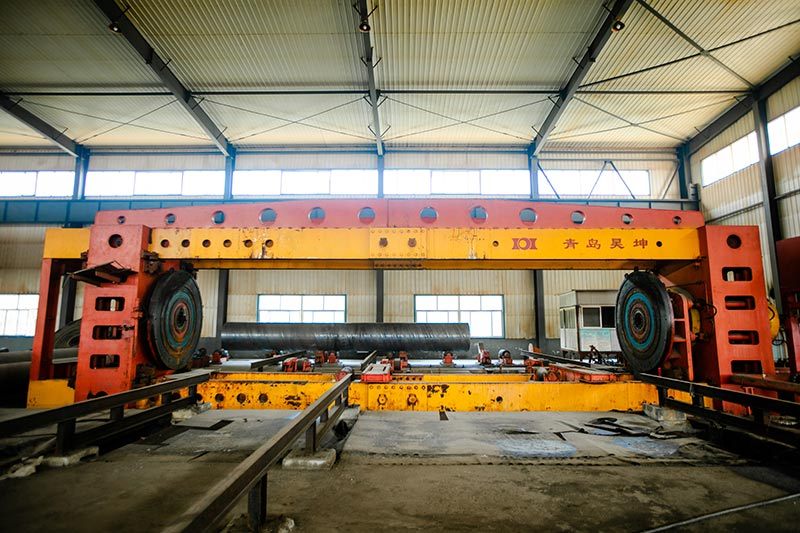
Hydrostatic Testing
Hoop stress: ≥90% of SMYS
Hold time: ≥15 seconds
Records traceable to pipe number
Pressure gauges calibrated weekly, and after every burst test
Dimensional Checks
Diameter measured every 4 hours per shift
Wall thickness measured on every pipe
Straightness: ≤0.2% of length; local ≤4mm per meter at ends
Appearance inspection under ≥300 lx lighting
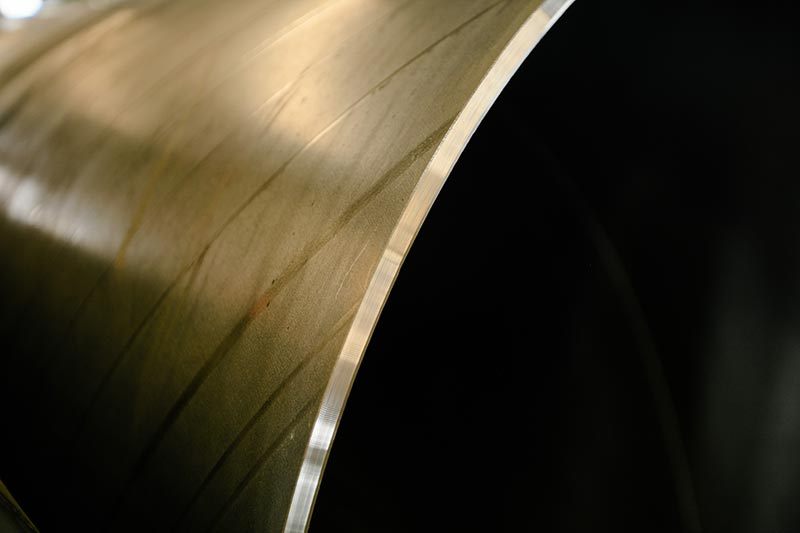
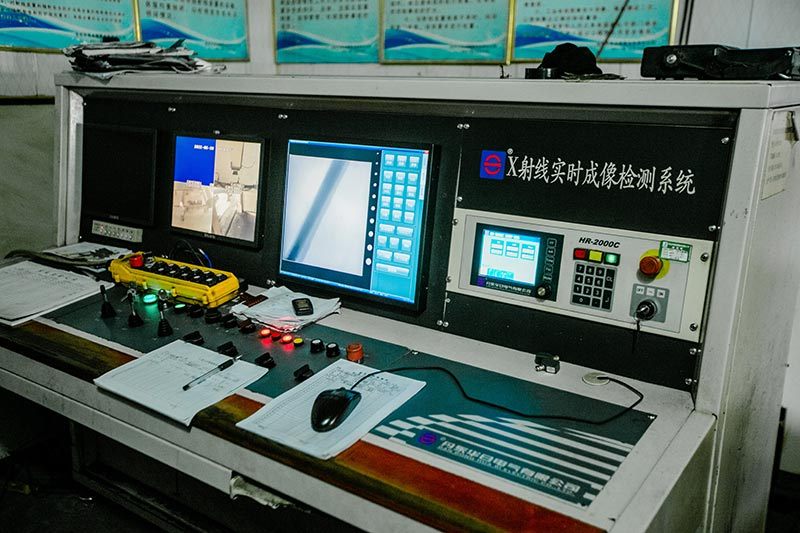
NDT: 100% Weld Coverage
Full-thickness, full-length UT and RT on every weld
SAW pipe ends: RT on at least 200mm of weld at each end
NDT personnel: qualification equivalent to TSG Z8001
Repair Welding Rules
Pipe body: repair welding is not permitted.
For weld repairs:
Minimum repair length: 50mm
Minimum distance between repairs: ½ pipe diameter
Total repair length: ≤5% of pipe length
On 6m weld: ≤2 repair locations
No repairs within 300mm of pipe ends
No repairs on cold-expanded pipe
After repair: UT or RT, plus re-hydrostatic test.
Applications
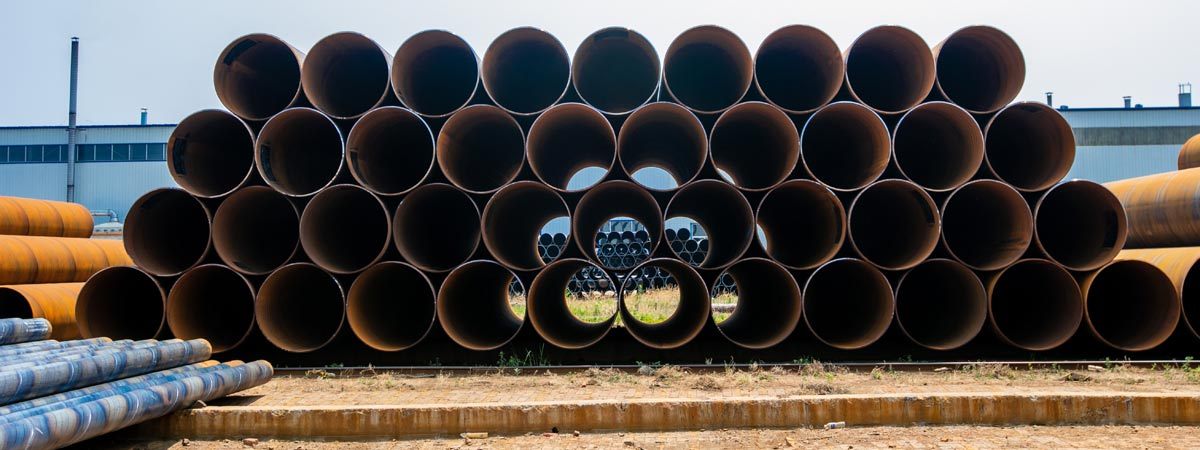
Oil & gas transmission — PSL2 grades for long-distance, high-pressure lines.
Water transmission — large-diameter pipes for supply, drainage, diversion.
Slurry & solids — mining and power plant transport.
Piling & structural — foundation piles, bridge structures.
Municipal & industrial — pipeline networks and plant piping.
Typical Project Parameters
The specifications below reflect the range of SSAW pipe configurations we regularly produce for export projects. Contact us to discuss your specific requirements.
| Application | Typical Grade | Diameter | Wall Thickness | Level |
| Long-distance gas transmission | L450M / X65M | 610–1016mm | 10–16mm | PSL2 |
| Oil transmission pipeline | L360M / X52M | 508–820mm | 8–14mm | PSL2 |
| Municipal water supply | L245 / B | 820–1620mm | 8–12mm | PSL1 |
Piling & foundation | L290 / X42 | 406–820mm | 8–14mm | PSL1 |
FAQ
1. What are the new contents of GB 9711 2023 version?
The 2023 version adds several new requirements. The most significant are mandatory hardness testing for PSL2, HAZ Charpy specimen position rules for weld misalignment, and equivalent qualification standards for NDT personnel. It also introduces PSL2 ordering provisions for pure hydrogen transmission pipelines, modifies impact specimen dimensions and guided bend test die sizes, and requires that intermittent tack welds shall not be used on SAW pipe grooves.
2. What’s the real difference between PSL1 and PSL2?
PSL2 adds mandatory hardness, toughness, and supplementary NDT requirements. PSL1 doesn’t require those. If your pipeline runs sour gas, operates at low temperature, or is long-distance transmission, PSL2 is the appropriate choice.
3. Can you handle sour service?
Yes. For H₂S environments, P and S limits drop to ≤0.015% each. Tell us the project conditions and we’ll confirm the exact spec.
4. If I request a welding repair record, how can you provide it?
We will archive and retain the repair welding records for each GB9711 pipe, and we can send the repair welding records to customers through electronic pictures and videos.
5. Can I nominate my own third-party inspector?
Yes. SGS, BV, Intertek — whoever you trust. We coordinate directly. Our in-house lab is CNAS-certified.
6. What’s the longest pipe you can produce?
Up to 30 meters. Fewer field welds. Shorter lengths are no problem either.
7. What happens if a pipe fails testing?
If a guided bend test fails, the standard allows retesting on two additional pipes from the same lot. If those pass, the lot is accepted. If they fail, we test every remaining pipe individually.
8. Do you work with small buyers?
Yes. We work with both first-time buyers and repeat distributors.
9. Can you handle shipping and documentation?
FOB, CIF, CFR — whatever works. Our export team takes care of the paperwork.
10. Can I visit your factory?
Absolutely. See the lines and the lab. Let us know in advance.